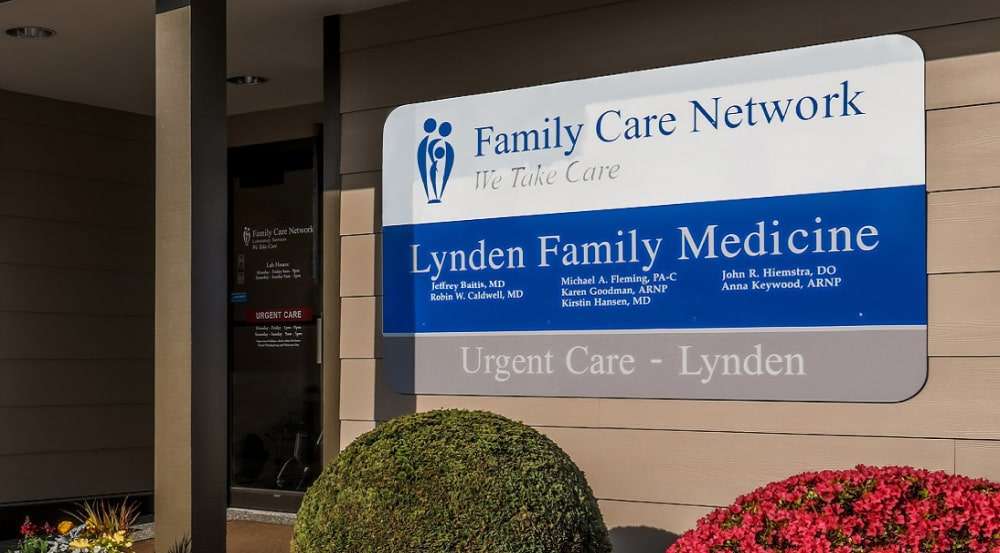
Lynden Family Medicine
Lynden Family Medicine is part of Family Care Network, a locally owned and operated group of clinics. We are passionate about optimum health and wellness for our community. We work with our patients and our team to build strong relationships, creating a rewarding and positive healthcare experience.
Located in the small town of Lynden, our clinic offers the type of full service care that you might normally expect to find in larger cities. This includes obstetric care, pediatrics, and other specialties, along with our core emphasis on family medicine.
We believe in taking care of the whole person, regardless of age or condition, including physical, emotional and spiritual well-being.
Many of our caring staff have been with us for years, indicating their dedication to our clinic and our community. Our founding physicians are still practicing today. Each person brings a unique set of skills based on their life experiences, interests and specialized training, all of them contributing to the total team care we provide.
Contact Info
Lynden Family Medicine
1610 Grover Street Suite D1
Lynden, WA 98264
Phone: (360) 354-1333
Fax: (360) 354-5399
After Hours Information

Hours
Monday – Friday: 8:00am – 5:00pm
Telemedicine

FCN News
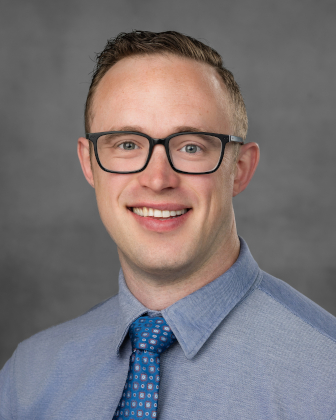
New clinician joins North Cascade Family Physicians
North Cascade Family Physicians in Mount Vernon is excited to welcome Talon Harris, DO to their team! Dr. Harris earned his doctor of osteopathic...

Family Care Network to expand list of accepted insurance plans
Beginning November 1, Family Care Network (FCN) will accept patients on United Healthcare (UHC) commercial insurance plans.* Our website will be...
New Family Care Network clinic in Bellingham
Family Care Network (FCN) has entered into an agreement with Optum to assume ownership and operations of Optum's Bellingham primary care clinic...
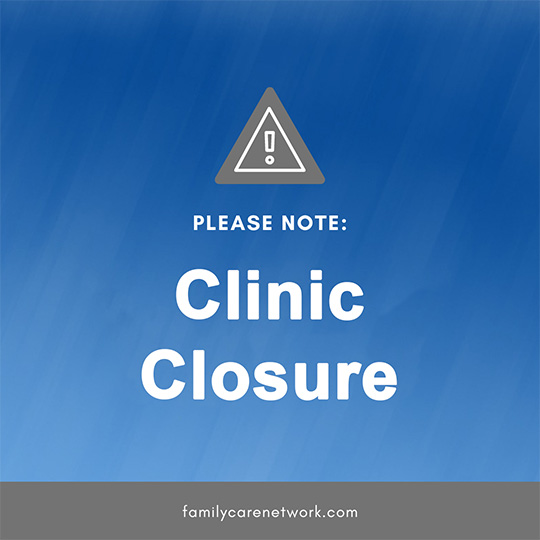
Ferndale Family Medical Center Closing Early Due To Power Outage
Please note: Ferndale Family Medical Center is closing early today, Thursday, September 3, due to a power outage. Crews are working to restore...
New clinician joins North Cascade Family Physicians
North Cascade Family Physicians in Mount Vernon is excited to welcome Talon Harris, DO to their team! Dr. Harris earned his doctor of osteopathic medicine degree from Rocky Vista University. He enjoys partnering with patients to help them stay informed and actively...
Family Care Network to expand list of accepted insurance plans
Beginning November 1, Family Care Network (FCN) will accept patients on United Healthcare (UHC) commercial insurance plans.* Our website will be updated in early October to show which FCN clinicians will be open to new UHC patients (starting November 1) and how to...
New Family Care Network clinic in Bellingham
Family Care Network (FCN) has entered into an agreement with Optum to assume ownership and operations of Optum's Bellingham primary care clinic located at 3130 Ellis St. The transition is expected to take place this fall. Family Care Network is excited for this...
Ferndale Family Medical Center Closing Early Due To Power Outage
Please note: Ferndale Family Medical Center is closing early today, Thursday, September 3, due to a power outage. Crews are working to restore service. Clinic staff will reach out to impacted patients to reschedule appointments. We apologize for any inconvenience.